.png)

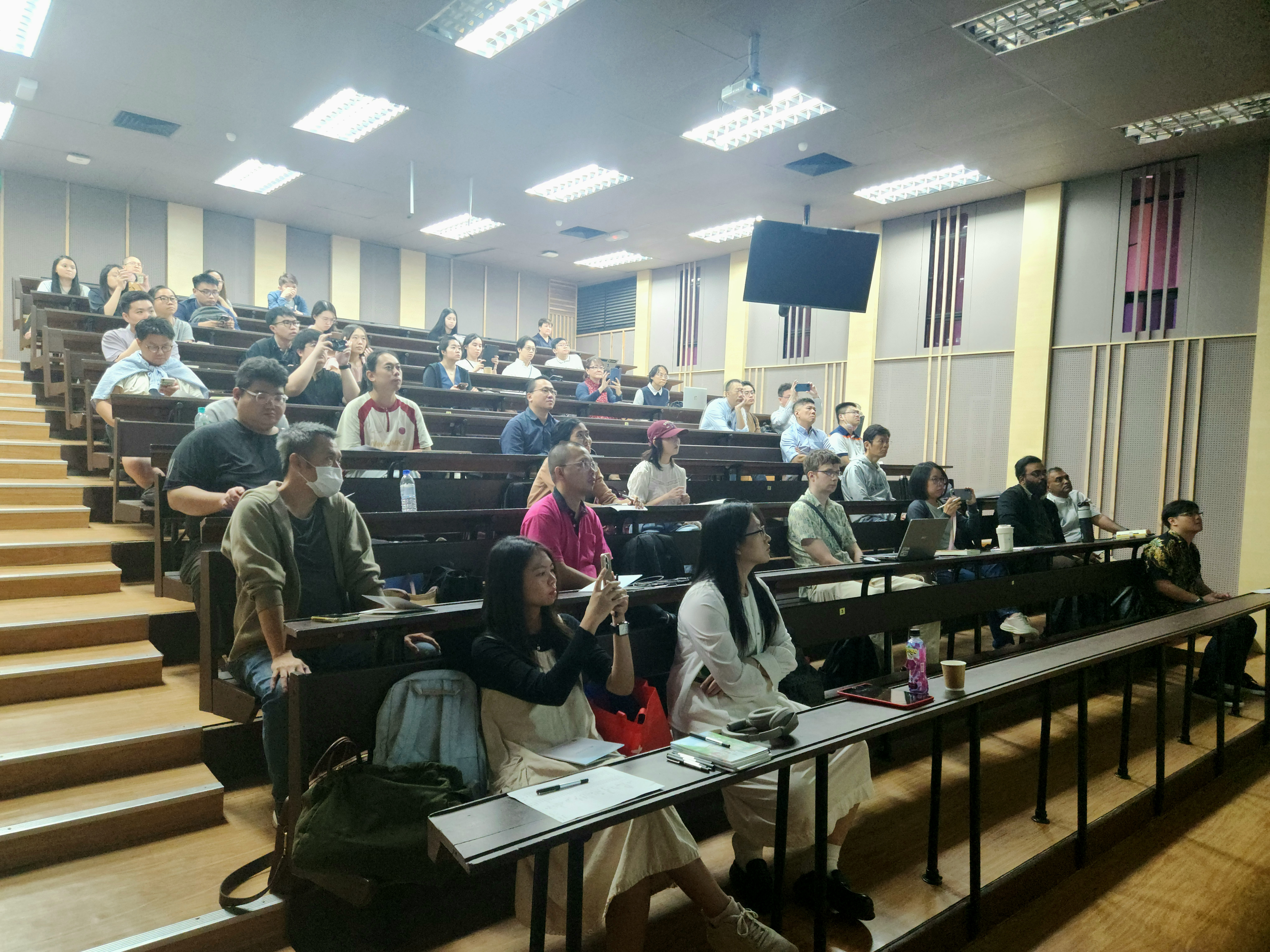
The Humanistic Buddhism Research Centre (HBRC), Universiti Malaya (UM), in collaboration with the Malaysian Chinese Research Centre (MCRC), UM, and the Cold War in Malaysia Research Group, UM, successfully co-organized the “Approaching the Colonial Archive” Workshop on 4–5 February 2026. This intensive programme was designed to equip researchers, postgraduate students, and history enthusiasts with skills to navigate and critically analyse colonial-era records in Malaysia.
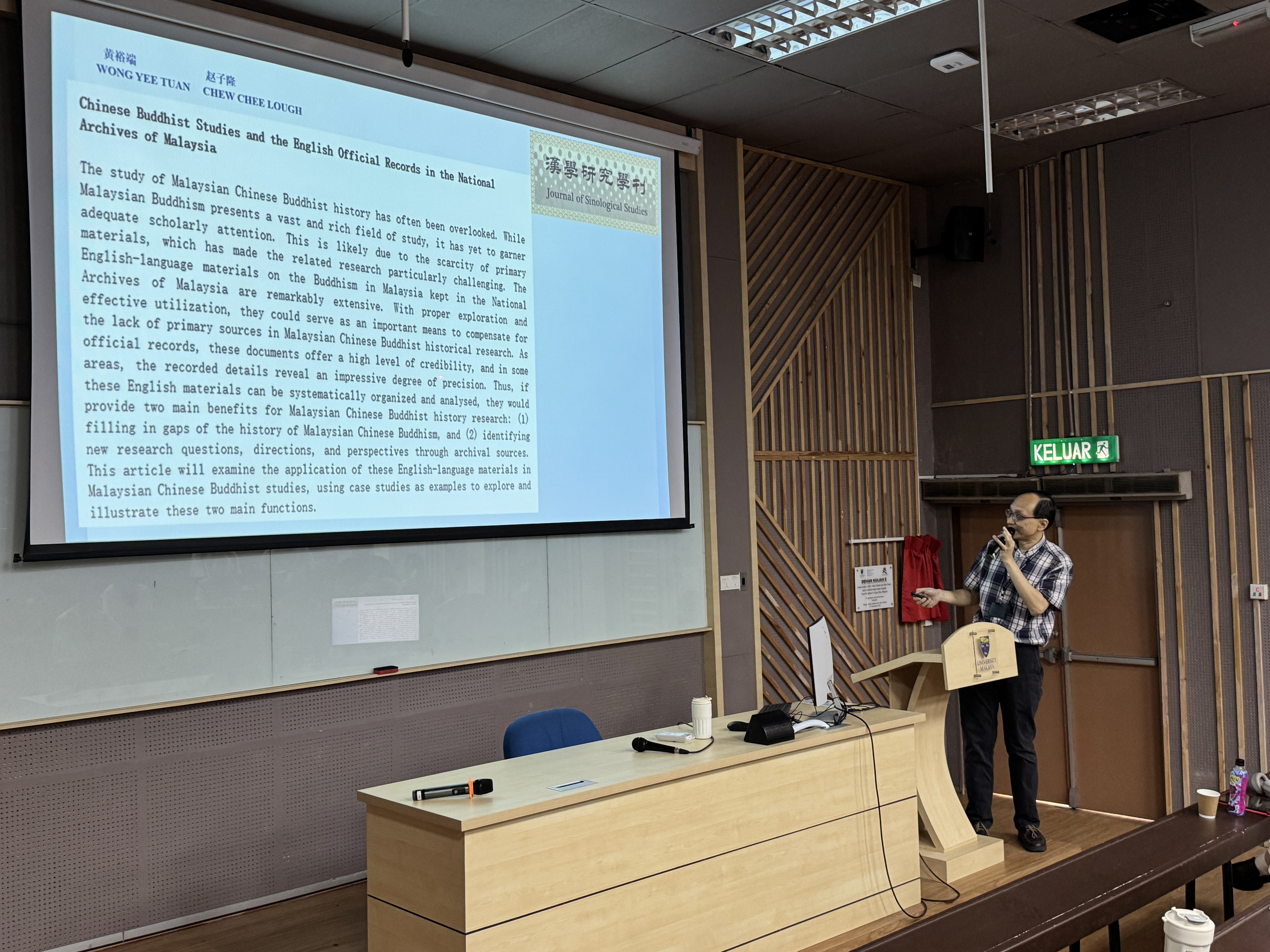
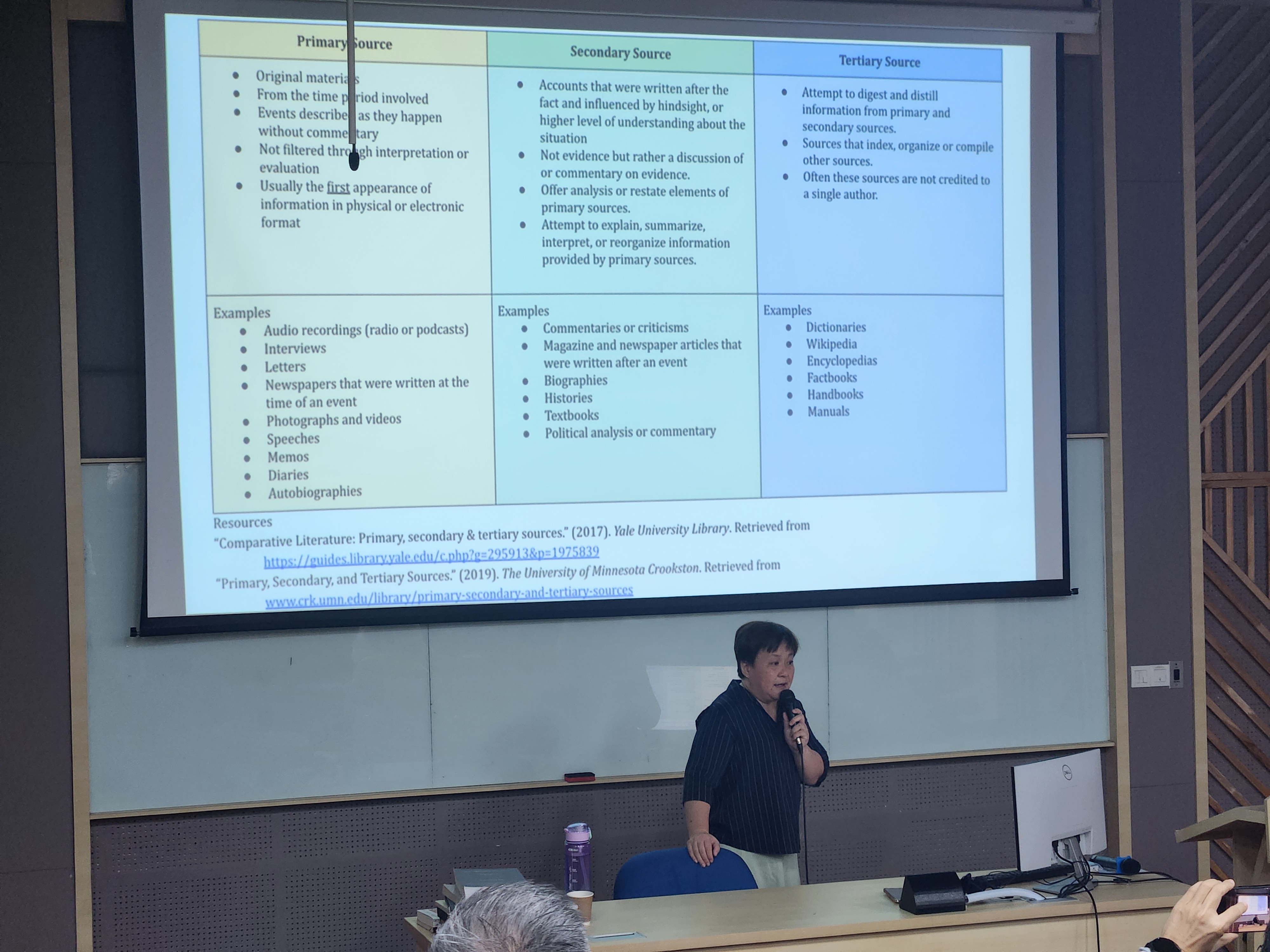
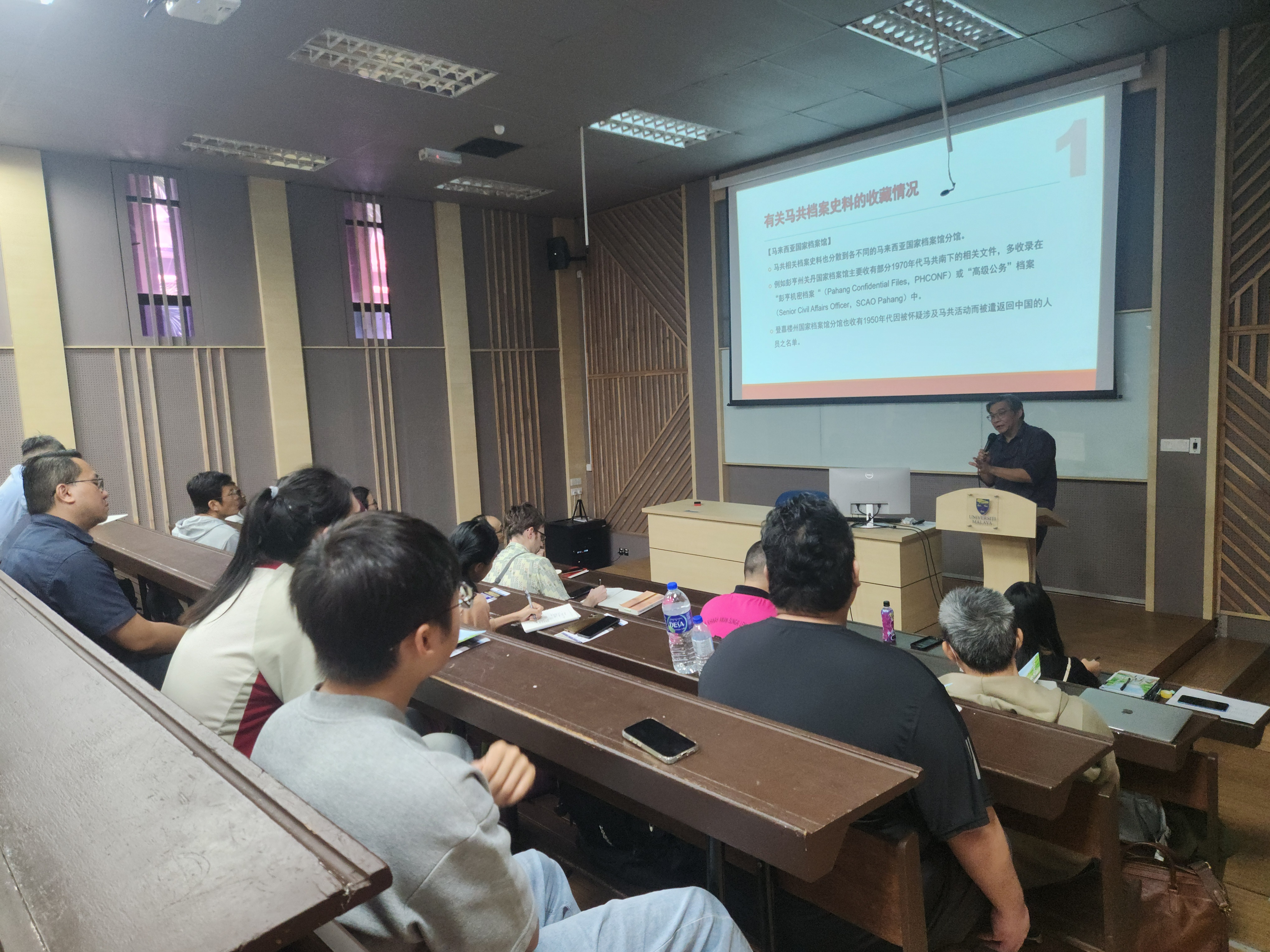
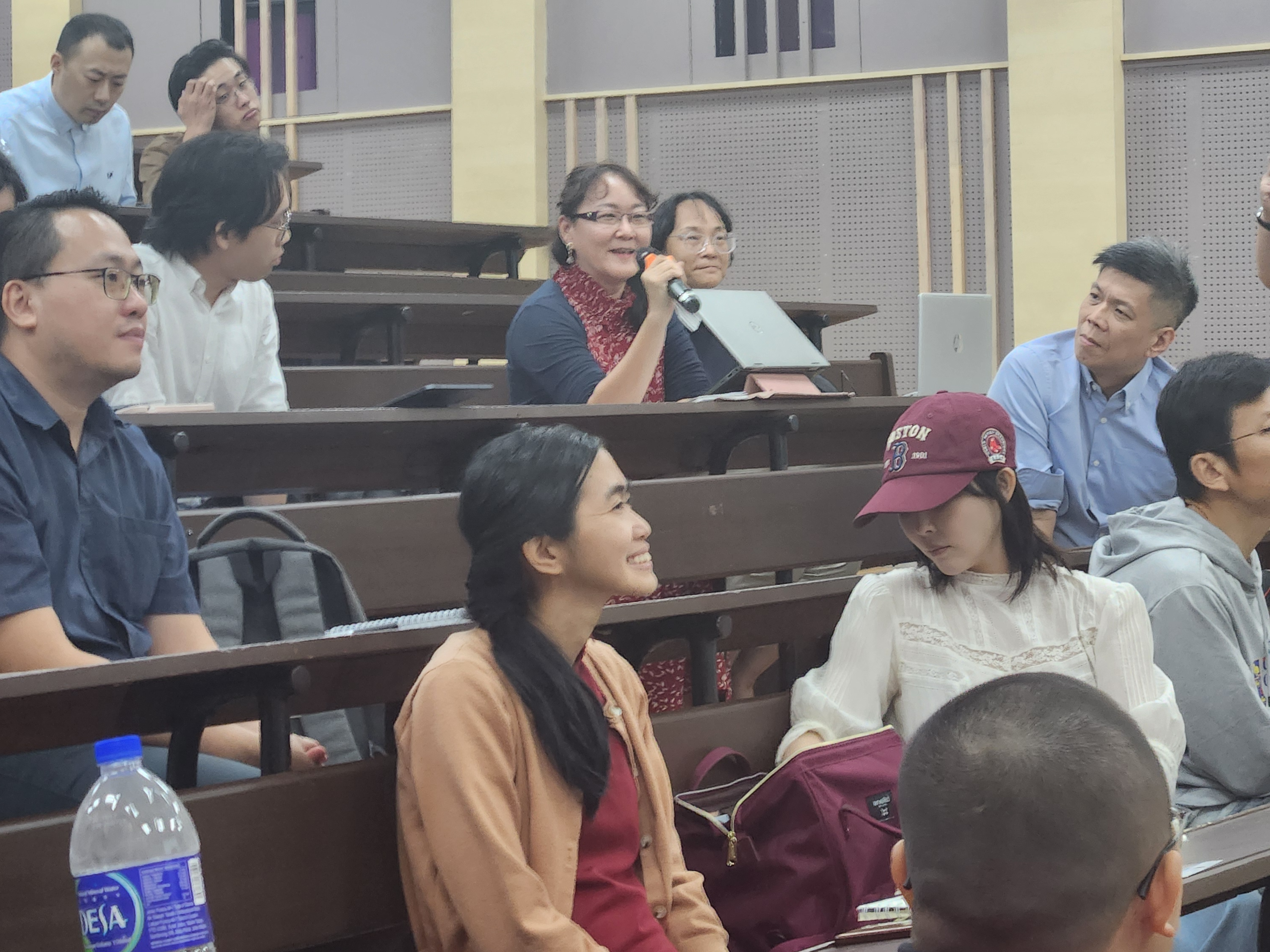
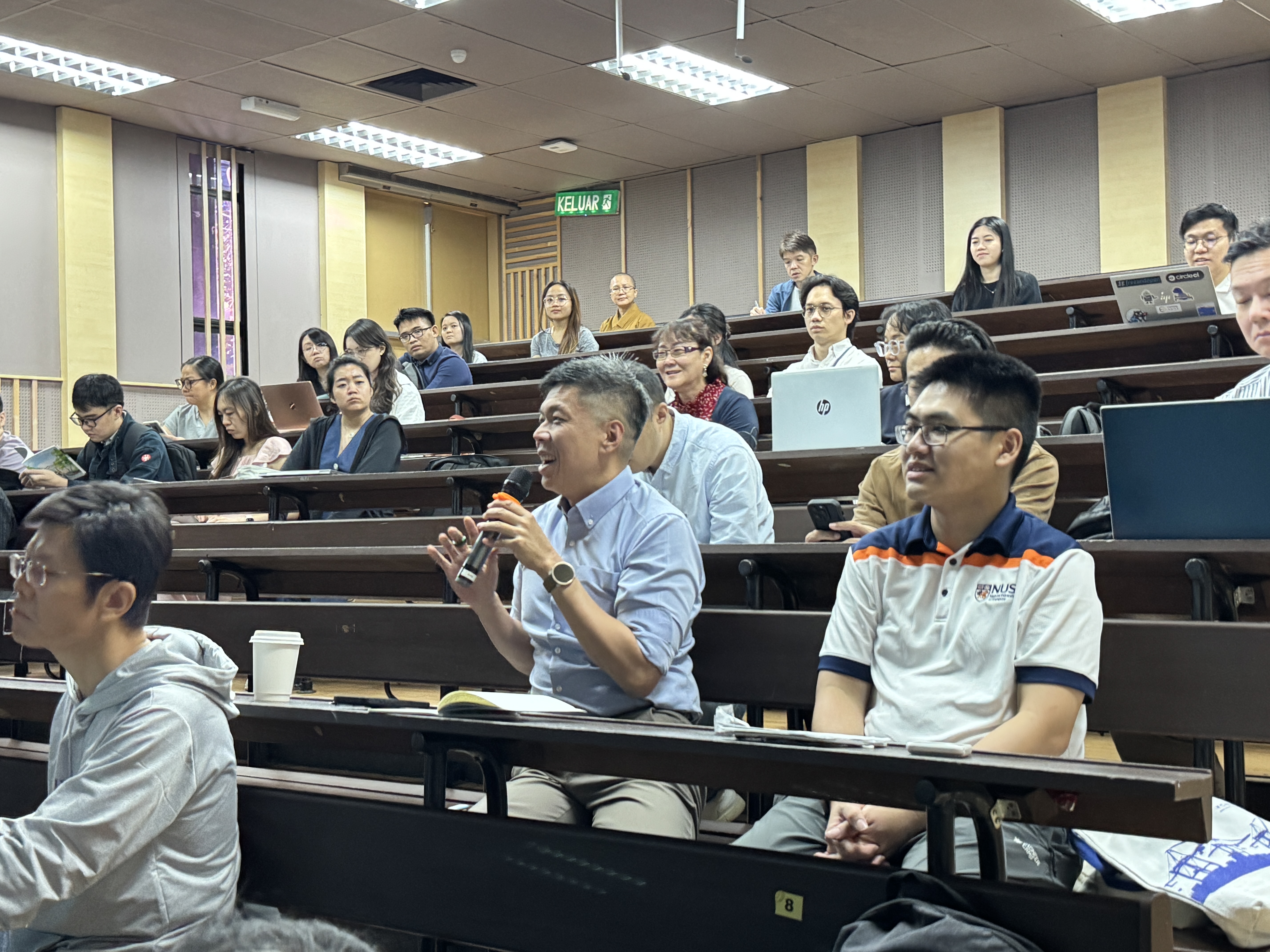
On the first day, Dr. Wong Yee Tuan, Research Fellow of HBRC; Dr. Tan Miau Ing, Head of MCRC; and Dr. Ho Kee Chye, Head of the Department of Chinese Studies, delivered lectures providing valuable insights into the significance of colonial archives. The sessions addressed the administrative background of British Malaya, the use of primary and secondary sources, methodological approaches to researching the Malayan Communist Party, and the study of Malayan towns through colonial archival materials. Approximately 37 participants from Malaysia, Singapore, China, and Poland attended, engaging in lively and thoughtful discussions that reflected their keen interest.
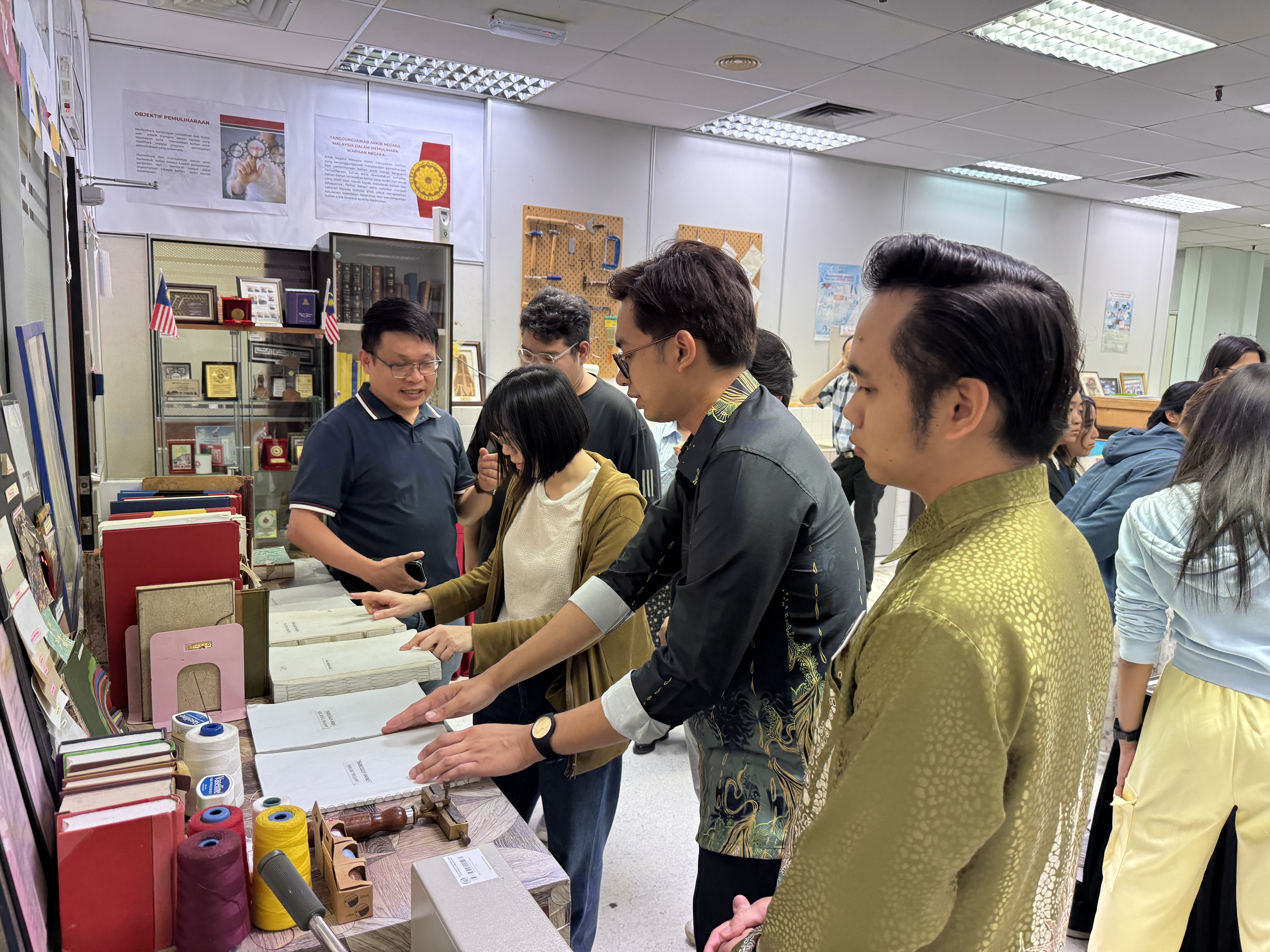
On the second day, participants visited the National Archives of Malaysia (Arkib Negara Malaysia) for a guided tour and hands-on research. Following an orientation to the digital catalogue, participants conducted independent archival research on topics including the history of Buddhism, the rubber industry, Chinese remittance networks, and the Chinese resistance against Japanese occupation. Dr. Wong and Dr. Tan remained on-site to provide practical advice on locating files, refining search strategies, and assessing the reliability of archival materials.
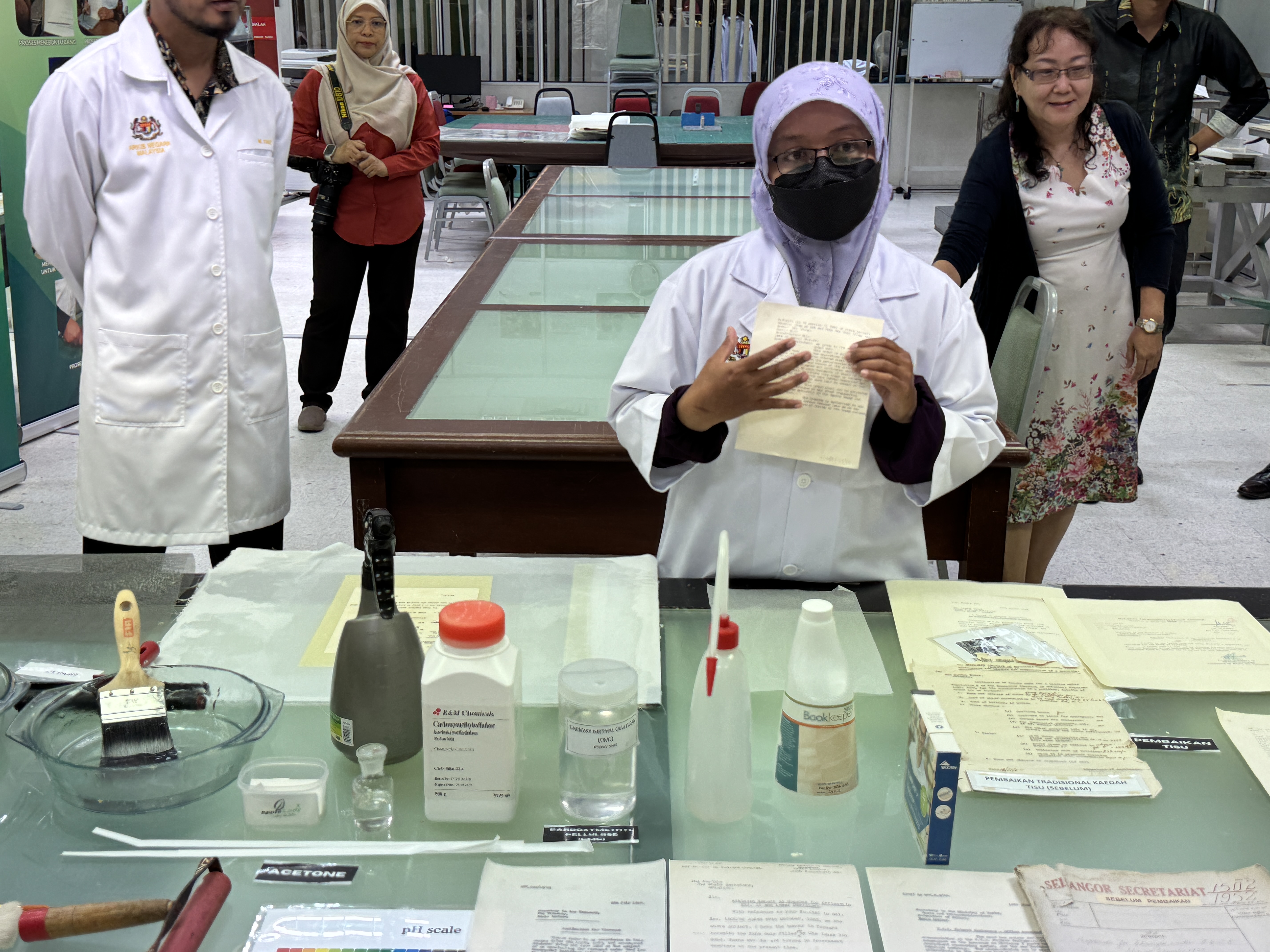
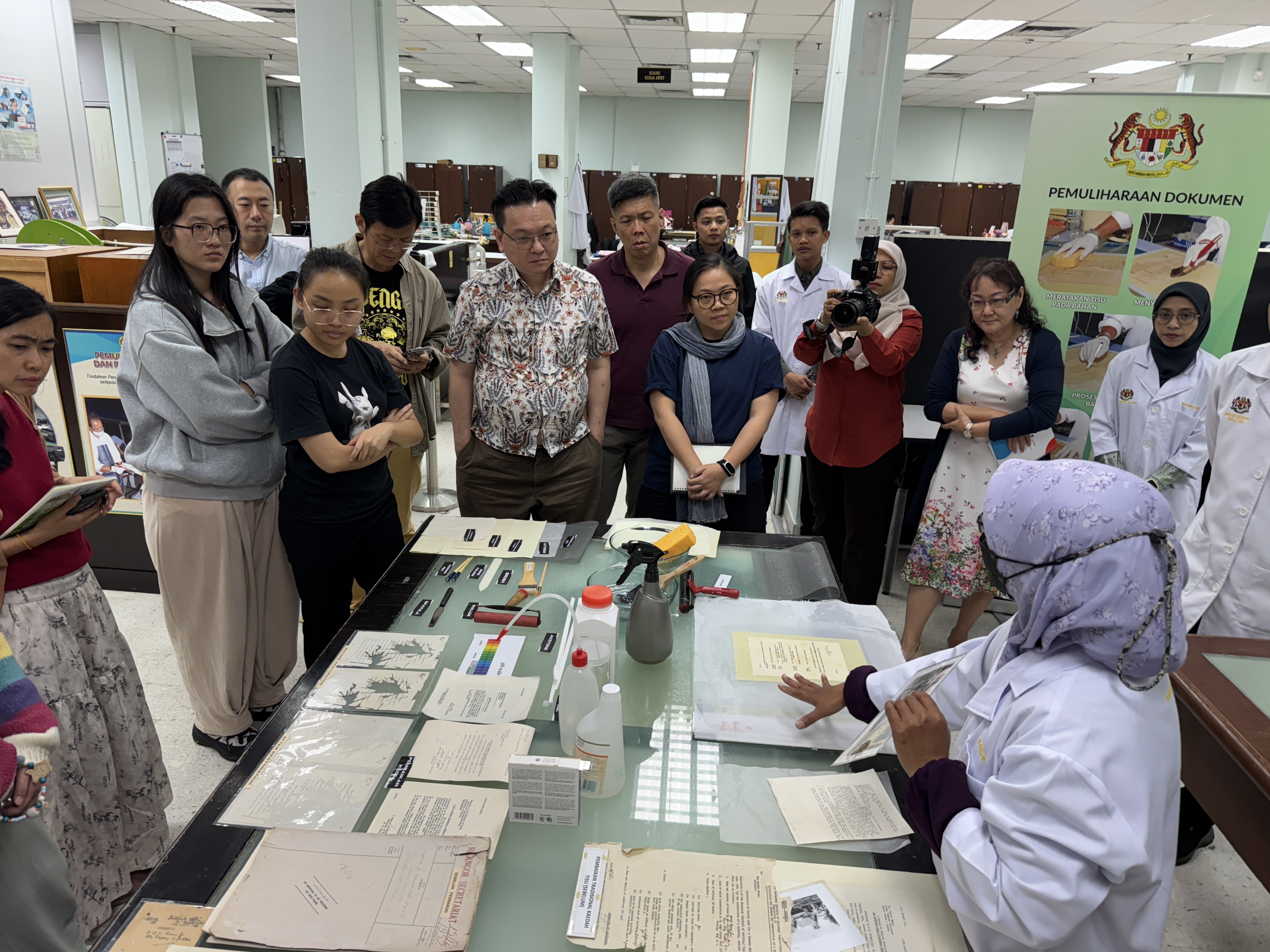
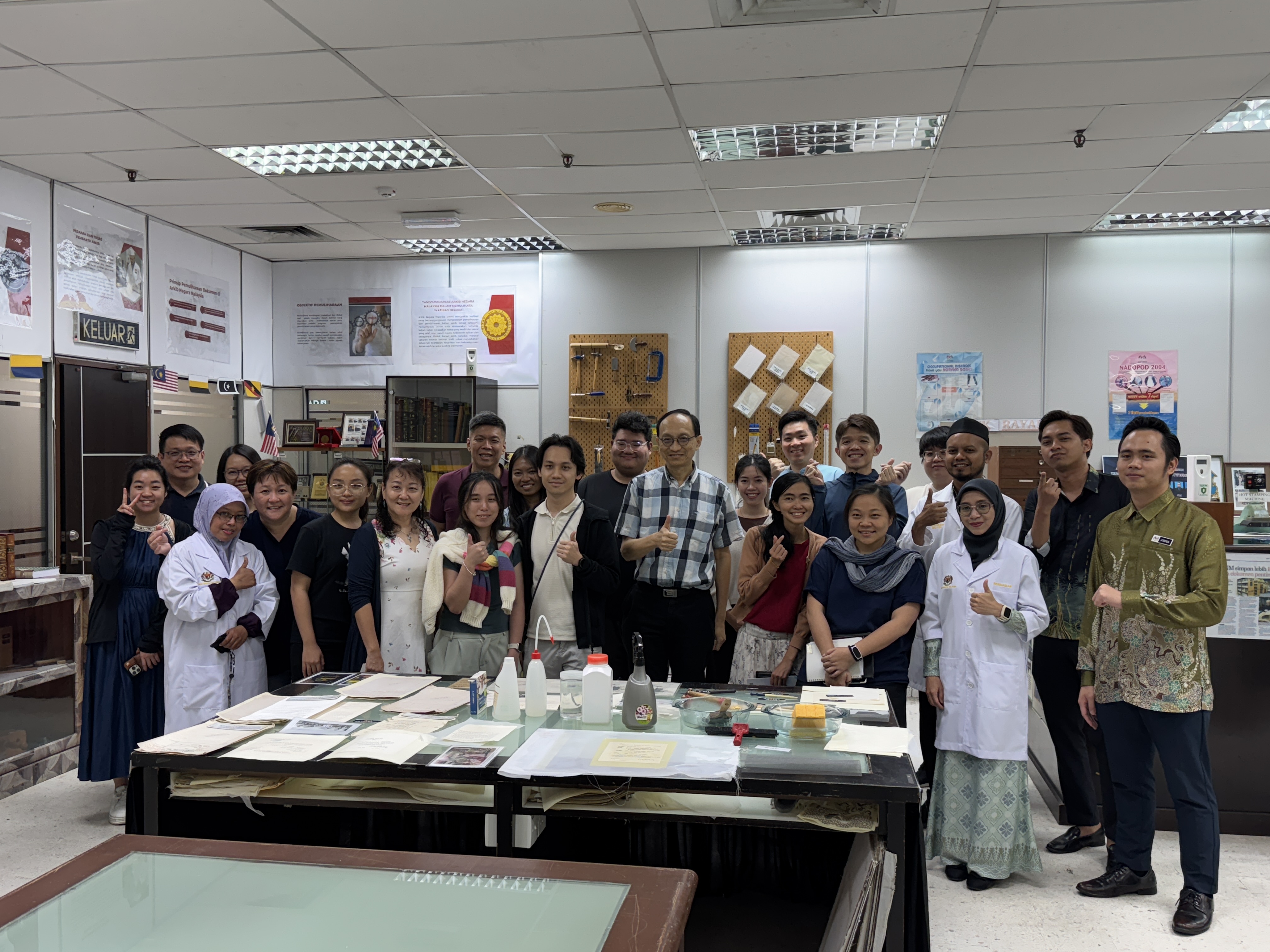
In the afternoon, participants visited the conservation laboratory to observe technical processes for restoring fragile historical documents, such as cleaning, deacidification, and repair. The session sparked considerable interest regarding preservation challenges and ethical considerations. The workshop concluded on a highly positive note, successfully broadening participants' understanding of archival materials and the methodological rigor required in historical research.
 |  |
 |  |
 |  |
 |  |
 |  |